


Director
Dan Hasson PhD
Dr. Dan Hasson is an Associate Professor in the Department of Oncological Sciences, and the director of BiNGS. He has an extensive experience in developing and implementing NGS applications and bioinformatics pipelines, for the analysis of transcriptomics and epigenetics datasets. Dr. Hasson's main research interest is focused on understanding the functional role of cis DNA regulatory elements in cancer progression. He also leads the TCC SPARKED high school program and is passionate about increasing diversity in cancer research and care. Dr. Hasson enjoys spending time with 2-and-4-legged family and riding motorcycles.

Associate Director
Deniz Demircioglu PhD
Dr. Deniz Demircioglu is an Assistant Professor and Associate Director of the BiNGS core. As a transcriptomics expert, he oversees the implementation and maintenance of the lab’s analysis transcriptomics pipelines, translating sequencing data into actionable biological findings. He mentors and supervises multiple BiNGS members on their projects and pipelines. While his PhD research focused on alternative promoter usage and epigenetic integration, his current efforts are dedicated to supervising multi-omic projects and developing robust, publicly accessible computational web services and pipelines for research community.

Senior Bioinformatician
Gulay Ulukaya MSc
Gulay received her master’s degree in bioinformatics from Georgia Institute of Technology and is now a bioinformatician at BiNGS. During her graduate studies, Gulay focused pediatric acute myeloid leukemia and used machine learning algorithms on single cell RNA-seq data to predict relapse from initial diagnosis and first treatment timepoints. Her most recent experience before joining BiNGS is an internship at Genentech where she focused on delineating the diverse cell types present in multiple myeloma by generating a map of the bone marrow niche, and correlating prevalence of these subtypes with clinical parameters like response to therapy, adverse events, and pre- vs post-treatment changes, with the goal of identifying cell types associated with resistance to therapy. Her background is largely based on analyzing single cell RNA-seq data in cancer research.
Senior Bioinformatician
Angie Ramirez MSc
Angie earned her M.S. in Biomedical Data Science from the Icahn School of Medicine at Mount Sinai, where she trained in the BiNGS Core at the Tisch Cancer Institute, contributing to projects in keratinocyte differentiation, cancer cell dormancy, and the epigenetic landscapes of hepatocellular carcinoma. She previously worked as an Associate Researcher in the Department of Neurology at Mount Sinai studying neurodegenerative diseases. She now analyzes diverse omics data types across a broad range of disease areas and develops interactive tools to support data exploration for the research community. In her spare time, she enjoys exploring the city on her bike and working on sewing projects.
Lead Bioinformatician
Saul Carcamo PhD
Dr. Saul Cárcamo is a senior bioinformatician in the Bioinformatics for Next Generation Sequencing core (BiNGS) at the Icahn School of Medicine, where he earned his Ph.D. in Dr. Emily Bernstein's lab studying chromatin remodeler alterations in cancer. He specializes in ATAC- and ChIP-seq analysis, scRNA-seq, multi-omics integration, and TF network analysis. Originally from Honduras, Saul enjoys cooking, searching for great new coffee roasters, and spending time with his wife Judith and daughters Sofía and Daniela.

Senior Bioinformatician
Twinkle Vhatkar MSc
Twinkle joined the BiNGS Core at the Tisch Cancer Center as a Bioinformatician in June 2023. She earned her master’s degree in Bioinformatics from Indiana University, where her research focused on long-read direct RNA sequencing analysis in the human K562 leukemia cell line, with an emphasis on transcript architecture and native transcript end identification.
At BiNGS, Twinkle works on large-scale genomic and epigenomic analyses across a wide range of NGS technologies, including bulk RNA-seq, ATAC-seq, ChIP-seq, CUT&RUN, CRISPR screens, exosomal miRNA-seq, and single-cell modalities such as scRNA-seq, scATAC-seq and scMultiome. Her research interests center on murine fibrogenic models, prostate cancer biology, and metastatic disease. She collaborates closely with principal investigators on diverse research projects and applies computational pipelines to uncover biologically meaningful insights from complex multiomic datasets. Recently, she contributed to studies identifying ATAD2 as a key driver of prostate cancer progression and bone metastatic potential through its association with MYC signaling in both mouse models and human patient datasets.
Outside of research, Twinkle enjoys watching anime, reading fiction, and exploring new hobbies whenever curiosity strikes.
Senior Bioinformatician
Gargi Damle MSc
Gargi received her master’s degree in bioinformatics from Georgia Institute of Technology, during which she focused on an evolutionary genomics project accurately estimating disease risk in ancient humans. At BiNGS, she focuses on analyzing bulk and single cell transcriptomics data. These projects involve studying cancer metastasis, the tumor microenvironment, and discovering new disease subtypes or interactions by integrating multiple data modalities.

Senior Bioinformatician
Vrinda Jethalia MSc
Vrinda is a Senior Bioinformatician in BiNGS, specializing in projects focused on Acute Myeloid Leukemia and Small Cell Lung Cancer. Before joining Vrinda earned her MS in Bioinformatics from Boston University and gained industry experience as an intern at Merck & Co. Outside of work, she is an avid restaurant explorer who tracks her finds on Beli, and she enjoys dancing and playing the harmonium.

Senior Bioinformatician
Nikita Poddar MSc
Nikita joined BiNGS in June 2023. She holds a bachelor’s degree in Biochemistry and a master’s degree in Bioinformatics from India. Prior to joining BiNGS, she worked as a bioinformatician at the University of Helsinki, Finland, where she analyzed transcriptomic and epigenetic data to study gene expression and chromatin accessibility during the direct conversion of human fibroblasts into pancreatic epithelial cells. At BiNGS, her work focuses on bulk and single-cell genomics, including RNA-seq, ATAC-seq, ChIP-seq, CUT&RUN, CITE-seq, and GoT-ChA. Her research aims to uncover the developmental timing and mechanisms of gene fusions and mutations in leukemia, understand mutant p53-driven tumor biology, and identify genes involved in in vitro trained immunity. Outside of research, she enjoys cooking, dancing, and exploring new places. If not in this field, she would have pursued a career in teaching, sharing knowledge with young minds.

Senior Bioinformatician
Gregory Hamilton PhD
Before joining BiNGS, Dr. Greg Hamilton earned his Ph.D. in Biomedical Sciences at Albert Einstein College of Medicine, where he trained in Dr. Matt Gamble’s lab studying chromatin regulation of intergenic enhancers. With over a decade of experience, he specializes in integrative analysis of ATAC-seq, ChIP-seq, and RNA-seq data. He also holds an M.S. in Biology from New York University, where he developed an algorithm to identify conserved gene regulatory networks. In his free time, Greg enjoys reading science fiction and training in Muay Thai.
Senior Bioinformatician
Linda Lee PhD
Dr. Linda Lee earned her Ph.D. in Physiology and Neurobiology from the University of Connecticut. Her dissertation work focused on reprogramming glial cells into neurons, and understanding the multipotent potential of glia through RNA-seq and ATAC-seq. Before joining the Bioinformatics for Next Generation Sequencing core (BiNGS), she served as a postdoctoral fellow in Dr. Nan Yang’s lab at the Icahn School of Medicine at Mount Sinai. There, Dr. Lee conducted multi-omics analyses (CUT&RUN, ATAC-seq, RNA-seq) to identify activity-dependent enhancers linked to disease heritability and performed single-cell RNA-sequencing analysis to characterize iPSC models of inhibitory neuron generation. In her free time, she enjoys listening to music, dancing, cycling, traveling and is a big foodie.
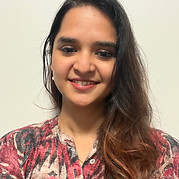
Bioinformatician
Meghana Ram MSc
Meghana Ram is a bioinformatician in the Bioinformatics for Next Generation Sequencing core (BiNGS), where she contributes to the analysis of high-throughput sequencing data and the development of reproducible computational pipelines. She previously worked in the Lagana Lab at the Icahn School of Medicine at Mount Sinai, supporting multiple myeloma research through WES, WGS, and RNA-seq pipeline development.
Outside of her academic pursuits, she is a dedicated dog mom, a Kathak dancer, and enjoys baking and creating resin art.

Senior Bioinformatician
Chih-wei (Ivy) Fan MSc
Chih-Wei is a Senior Bioinformatician at BiNGS, where she focuses on projects in Acute Myeloid Leukemia and Small Cell Lung Cancer. She received her MS in Bioinformatics from Boston University. Previously, she interned in Dr. Dries’ Lab, conducting spatial gene co-expression analysis in Triple-Negative Breast Cancer and developing a machine learning model to predict tumor marker gene expression. Outside of work, she enjoys watching movies, building LEGO sets, and staying active through a variety of sports.
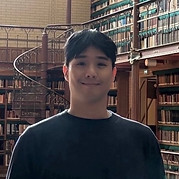
Consultant Biostatistician
Seungjun Ahn PhD
Dr. Seungjun Ahn is an Assistant Professor of Biostatistics in the Department of Population Health Science and Policy and Associate Co-Director of the Skin Biology and Disease Research Center (SBDRC). His research focuses on developing statistical methods and bioinformatics tools for high-dimensional omics data, with particular interests in causal inference (emphasis on causal mediation analysis) and network-based approaches. His work spans transcriptomics (bulk and single-cell), proteogenomics, microbiome data, and, more recently, spatial proteomics data. At BiNGS, Dr. Ahn provides educational support and statistical consultation for downstream analyses of omics data.
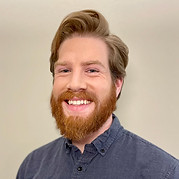
Senior Bioinformatician
Joseph Tumulty PhD
Dr. Joseph Tumulty is a Senior Bioinformatician at BiNGS. Dr. Tumulty brings specialized expertise in transcriptomic and epigenomic data integration, with additional experience in spatial proteomics. Most recently, during a postdoctoral fellowship at the Children's Hospital of Philadelphia (CHOP), he focused on the single-cell analysis of pediatric cancer samples to study mechanisms of treatment resistance. There, he also led the construction of a hematopoietic and immune development atlas using integrated single-cell RNA- and ATAC-seq datasets. Dr. Tumulty earned a Ph.D. in Biophysics from Drexel University, where he built simulations of neuronal networks. This work established a strong foundation in model development and the analysis of complex biological problems.
Senior bioinformatician
Achyuth Kalluchi
Dr. Kalluchi received his Ph.D. in Bioinformatics from the University of Nebraska Medical Center, where his research focused on developing computational algorithms and pipelines to study 3D chromatin organization and integrate multi-omics data. During my Ph.D., he developed CRUSH, an algorithm for identifying fine-scale chromatin compartments from Hi-C data at resolutions as high as 1 kb, even at relatively low sequencing depth. He has further experience working with a wide range of genomic and epigenomic data, including RNA-seq, ChIP-seq, ATAC-seq, Hi-C, CUT&RUN, single-cell genomics, and multi-omics integration. Outside of work, he enjoy playing cricket and other sports, watching movies and anime, writing short stories, reading, and relaxing.


High School Intern
Shawn Fridlyand
Shawn Fridlyand is a student at Stuyvesant High School and an intern in the Bioinformatics for Next Generation Sequencing (BiNGS) core at the Icahn School of Medicine at Mount Sinai. He is a competitor in Stuyvesant Science Olympiad and serves as Vice President of StuyBio. He has become interested in genetics and computational biology and hopes to learn how to apply his interests through his ongoing work with the BiNGS team.

High School Intern
Gabriela Perez Capcha
Gabriela Perez Capcha is senior at Westchester's Harrison High school a part of the Tisch Cancer Center's SPARKED program, interning through BiNGS. She is a part of her school's science research curriculum where her interest lies in computationally analyzing the drivers of a rare bone cancer: osteosarcoma. She hopes to continue bioinformatics in college, building the fundamental skills in her time at the lab. Aside from science, she is the president of her school's newspaper: The Husky Herald and loves the arts with orchestra and the violin in particular. Outside of academia she enjoys sewing and embroidery, discovering new music, and learning the guitar.
Alumni

Xuedi Wang MSc
Before joining BiNGS, Xuedi received her master’s degree from Tufts University majoring in biochemical and molecular nutrition with a concentration in bioinformatics. Xuedi join BiNGS in 2021 as one of our first recruits, and became a senior bioinformatician. Xuedi is now a senior bioinformatician in one of the labs in the department of oncological sciences at Mount Sinai.
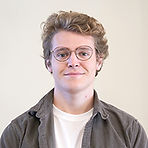
Will Lounsbery-scaife MSc
Will joined BiNGS after completing his masters degree in bioinformatics from Columbia University. He received his bachelor’s degree from New York University, with a major in biology and a minor in computer science. During his master’s, he interned at the New York Genome Center, where he developed a machine learning method to analyze Pore-C sequencing data using tensor decomposition. During his time in BiNGS Will focused on the analysis of FIBER-seq. Will is now employed in PacBio.
Lewis Tomalin PhD
Before leaving Mount Sinai, Dr. Lewis Tomalin was an Assistant Professor in the Center for Biostatistics in the Department of Population Health Science and Policy, and also working as a Senior Bioinformatician in BiNGS. Dr. Tomalin has extensive expertise in the analysis of high-throughput longitudinal data, including the application of machine-learning, mixed-effects models, and mechanistic modelling. He has applied his expertise to a broad range of biomedical fields including dermatology, immunology, cardiovascular disease, and ageing, working with data types such as RNA-seq, CyTOF, proteomic assays, MRI, and wearable device metrics.

Charles Coleman BSc
Charles Coleman was a Senior Bioinformatician at BiNGS. Charles graduated from the College of William and Mary with a B.S. in Computational and Applied Mathematics and Statistics in 2022 before joining BiNGS. His previous experience in bioinformatics was as an intern at the National Institutes of Health’s Laboratory of Receptor Biology and Gene Expression within the National Cancer Institute. His background is largely based in statistics. Charles is now a graduate student at EMBL Rome.
Aman Agarwal BSc
Aman completed his B.S. in Neuroscience and B.A. in English at the University of Washington, Seattle before joining BiNGS. Aman’s experience is focused on analyzing long-read DNA sequencing data. His work aimed to elucidate chromatin structure in the centromere by combining CpG methylation data with adenine methylation data. His computational background is a blend of tool development and data science. Aman is now running his own AI company building tools for data analysis.